
Gabriella Smith: Calling for Climate Action Through Music
Written by Nelani Mejias.
This article about Gabriella Smith was inspired by the NHSO’s concert, The Plants, which took place on Sunday, September 28, 2025 at Woolsey Hall in downtown New Haven. Click here to learn more.
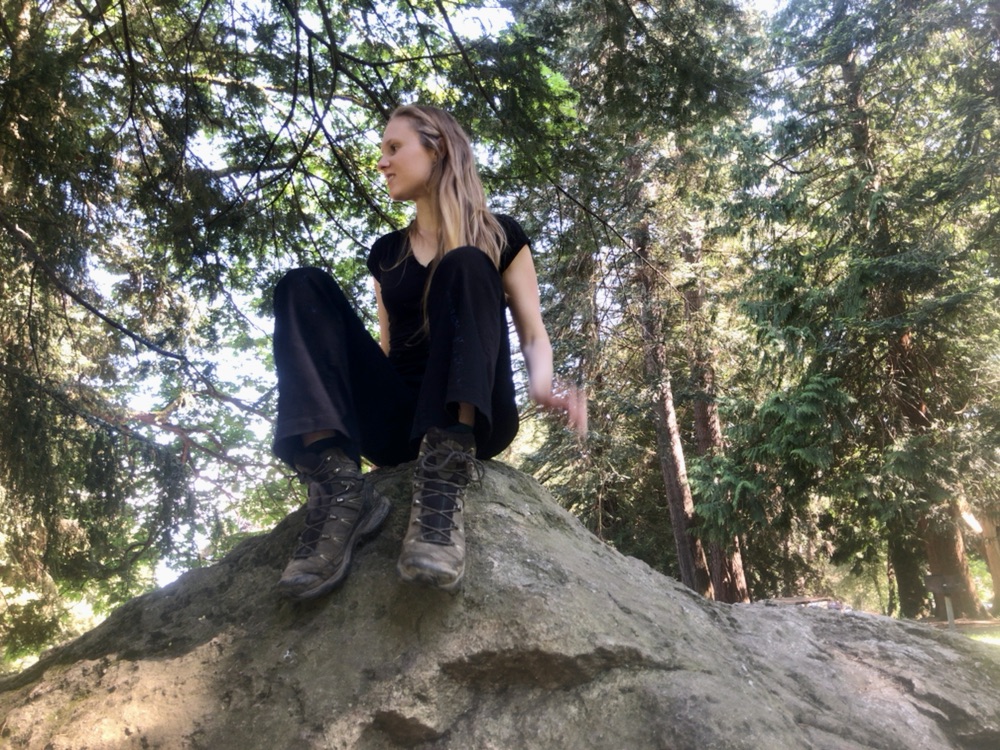
Who is Gabriella Smith?
Gabriella Smith is a composer whose work invites listeners to find joy in climate action. Her music comes from a love of play, exploring new instrumental sounds, and creating musical arcs that transport audiences into sonic landscapes inspired by the natural world. An “outright sensation” (LA Times), her music “exudes inventiveness with a welcoming personality, rousing energy and torrents of joy” (NY Times).
Where was Gabriella Smith Born?
Gabriella Smith was born in Berkeley, California where she spent most of her childhood outdoors, exploring around the bay area. She would hike and backpack along local trails, and at just twelve years old, Smith was volunteering at a local bird banding station, tagging birds to keep track of their data. At a young age she had a love for music as well, often writing and playing music.
When Did Gabriella Smith Begin Composing?
Smith went from California to the Curtis Institute for Music in Pennsylvania at just 17 years old. After feeling homesick, and finding she had to discuss her music all day, she began composing music about topics she desired to talk about: nature. She’d write about music about birds, music about the coastal pacific landscapes, and found her voice from there.
What Inspired Gabriella Smith to Write Tumblebird Contrails?
In 2014, Smith went on a solo backpacking trip to Point Reyes on the California coast. She had been by herself for three days and took a moment to reflect and feel at home in the nature around her.

Captured and reflected in her piece is the sound of the ocean and the feeling of sand between her toes. Along with that, she expresses the anger and fear that comes with climate change. Smith calls for togetherness and community in her piece, Tumblebird Contrails, to create hope and fight against climate change.
What Does Tumblebird Contrails sound like?
Taking inspiration from the nature around her, Smith’s Tumblebird Contrails creates a playful musical landscape, with notes that sound aquatic, and instruments transforming into the chirps of birds. The orchestra comes together to paint an auditory scene of music that sounds sitting on the beach.
2023 Nobel Prize Concert featuring Tumblebird Contrails performed by the Royal Stockholm Philharmonic Orchestra conducted by Esa-Pekka Salonen
What Are Some of Gabriella Smith’s Other Works?
Lost Coast (2023), a concerto for cello and orchestra, and Breathing Forests (2021), a concerto for organ and orchestra, are two other pieces Smith has created reflecting the emotions of nature, creating a landscape of ocean sounds and birdcalls. Smiths other works also include chamber, vocal, electronic, and solo pieces.
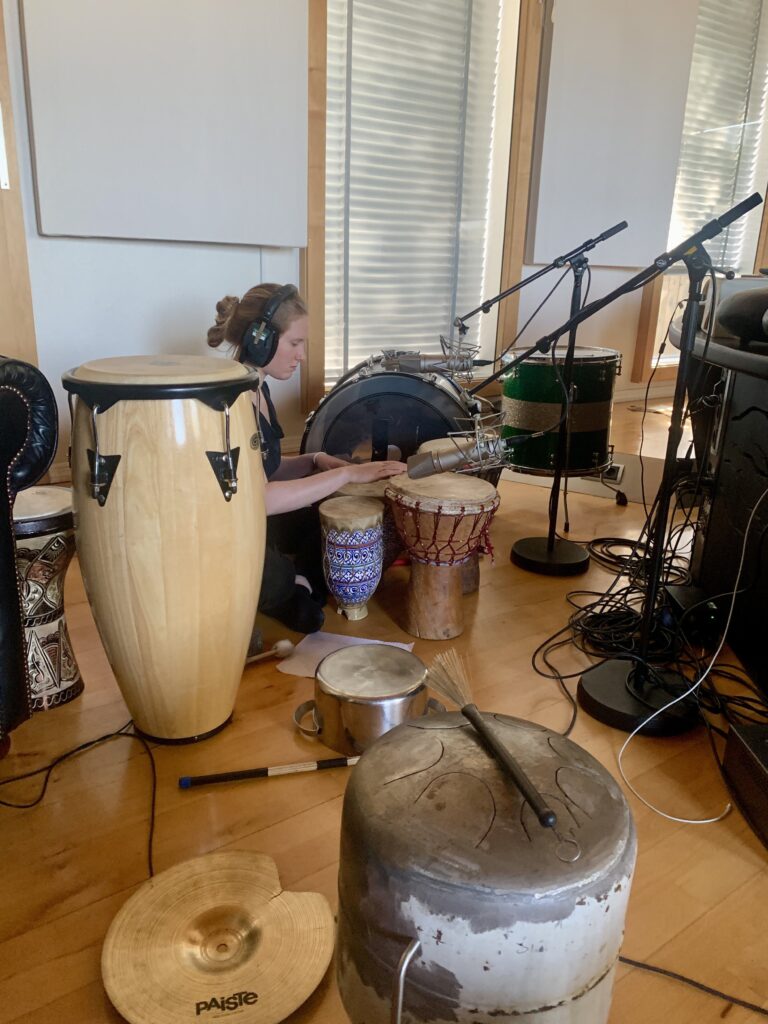
How is Gabriella Smith Fighting Climate Change?
Smith has a unique approach to taking climate action. She isn’t using her platform as just a source of education for the climate crisis, but rather a place of connection, urging for communities to come together. In explaining her process of writing Tumblebird Contrails, she says,“The only way I’ve experienced real hope is by taking action with other people, as a community.”

Nelani Mejias is a student studying English and Arts Administration at SCSU, and interning with the NHSO.